

Thermal Imaging Guide NZ
Scopes, Monoculars & How to Choose (2026)
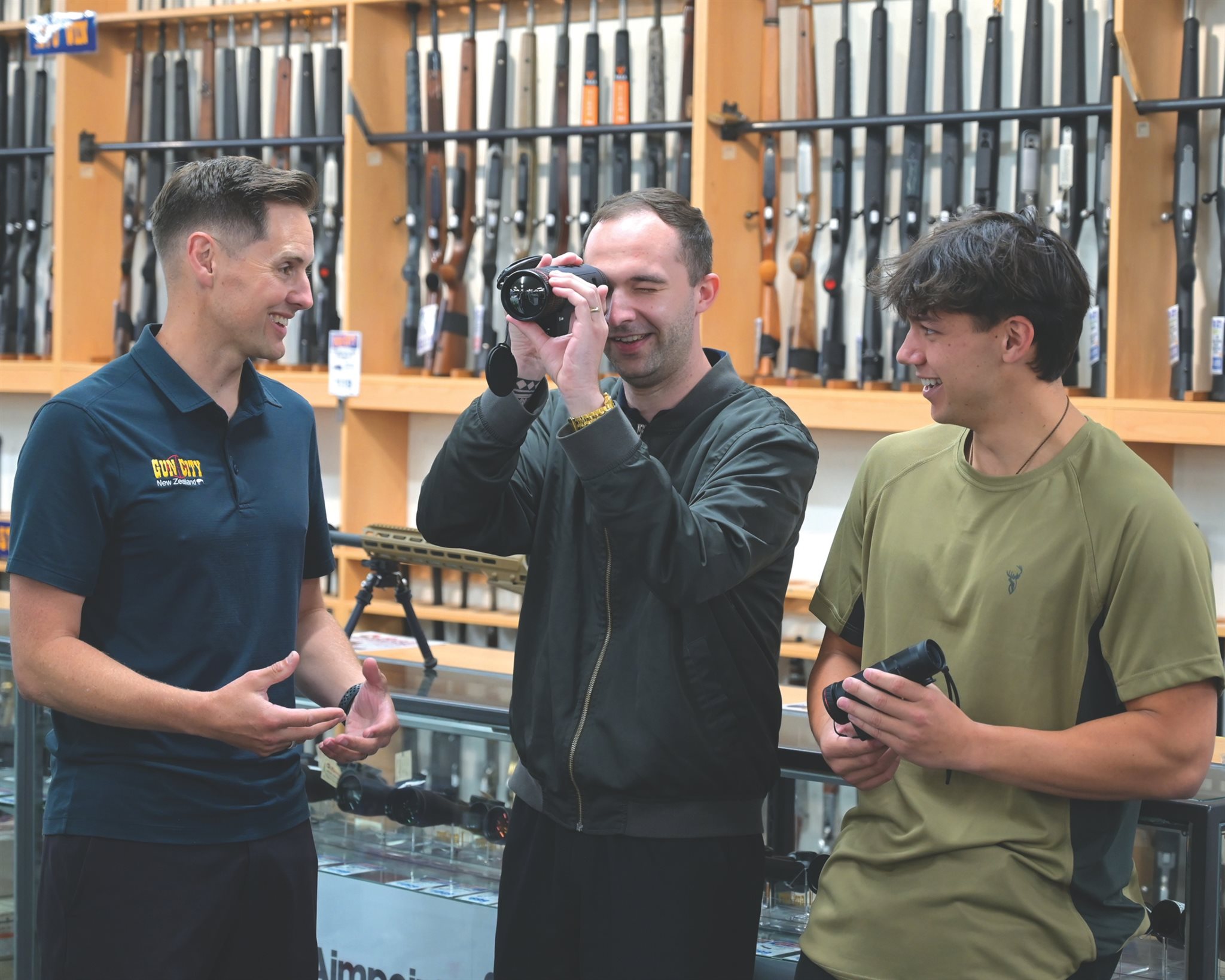
Thermal is changing the way we hunt. This guide helps you to find out which thermal is best suited to your needs.

Intro. What you need to know in 2 minutes
Thermal detects heat
Thermal imaging is your secret weapon for spotting animals. Unlike traditional optics that rely on light, thermal detects heat. Our thermal handhelds and scopes detect infrared radiation (heat) that animals and objects emit. An animal your eye would have struggled to see now stands out against the environment.
Thermal saves time! Prior to using thermal we would drive around the whole paddock searching for bunnies with spotlights—now we can park at the entrance gate, scan with the thermal and either move in or move on! Thermals are an incredible time saver.
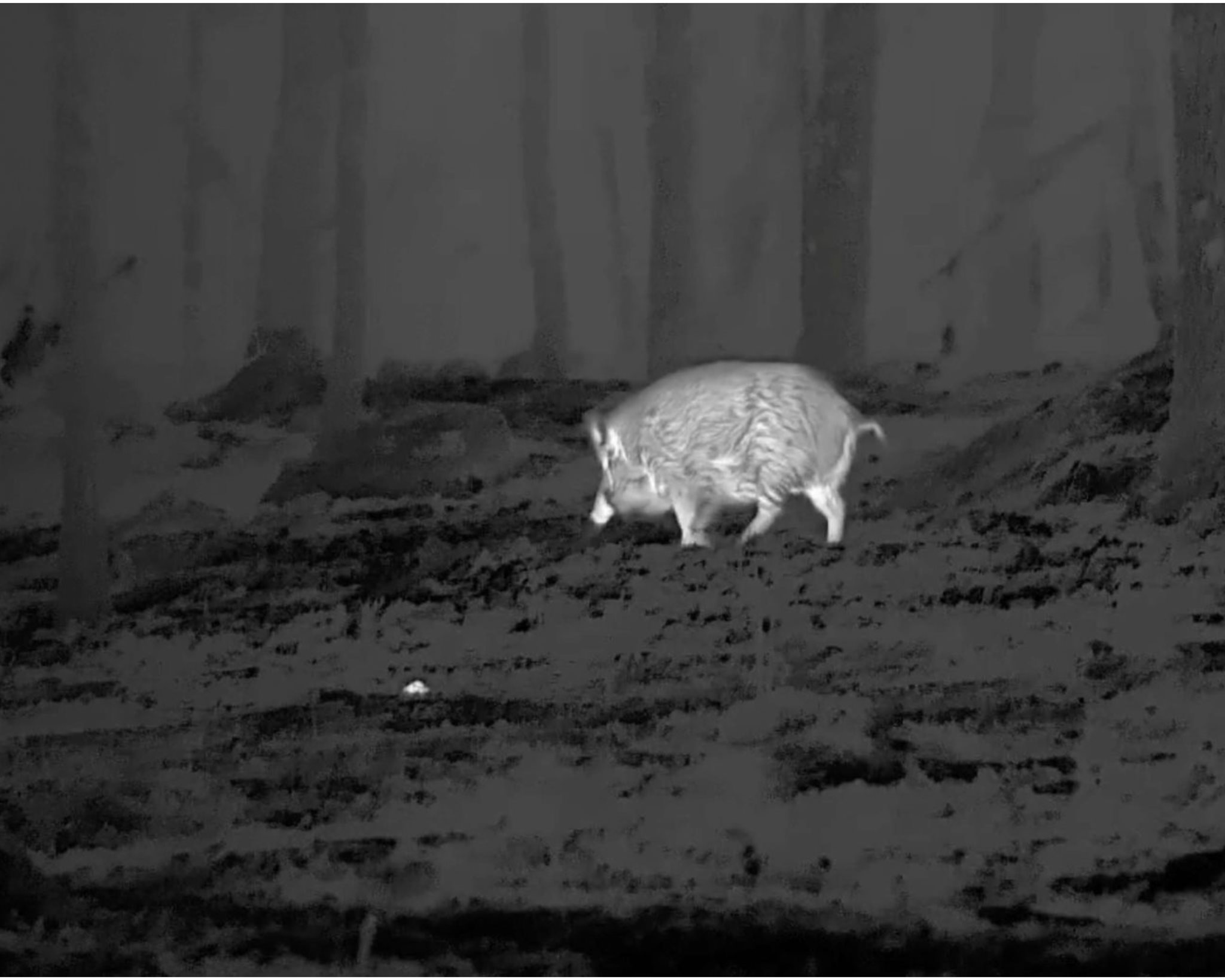
Thermal works day and night
In complete darkness or during the day, thermal works by detecting heat, not light. Rabbits in tall grass, possums in trees, pigs in thick scrub—they all light up like beacons on your screen. Thermal excels at night when the land, bushes, and rocks have cooled down.
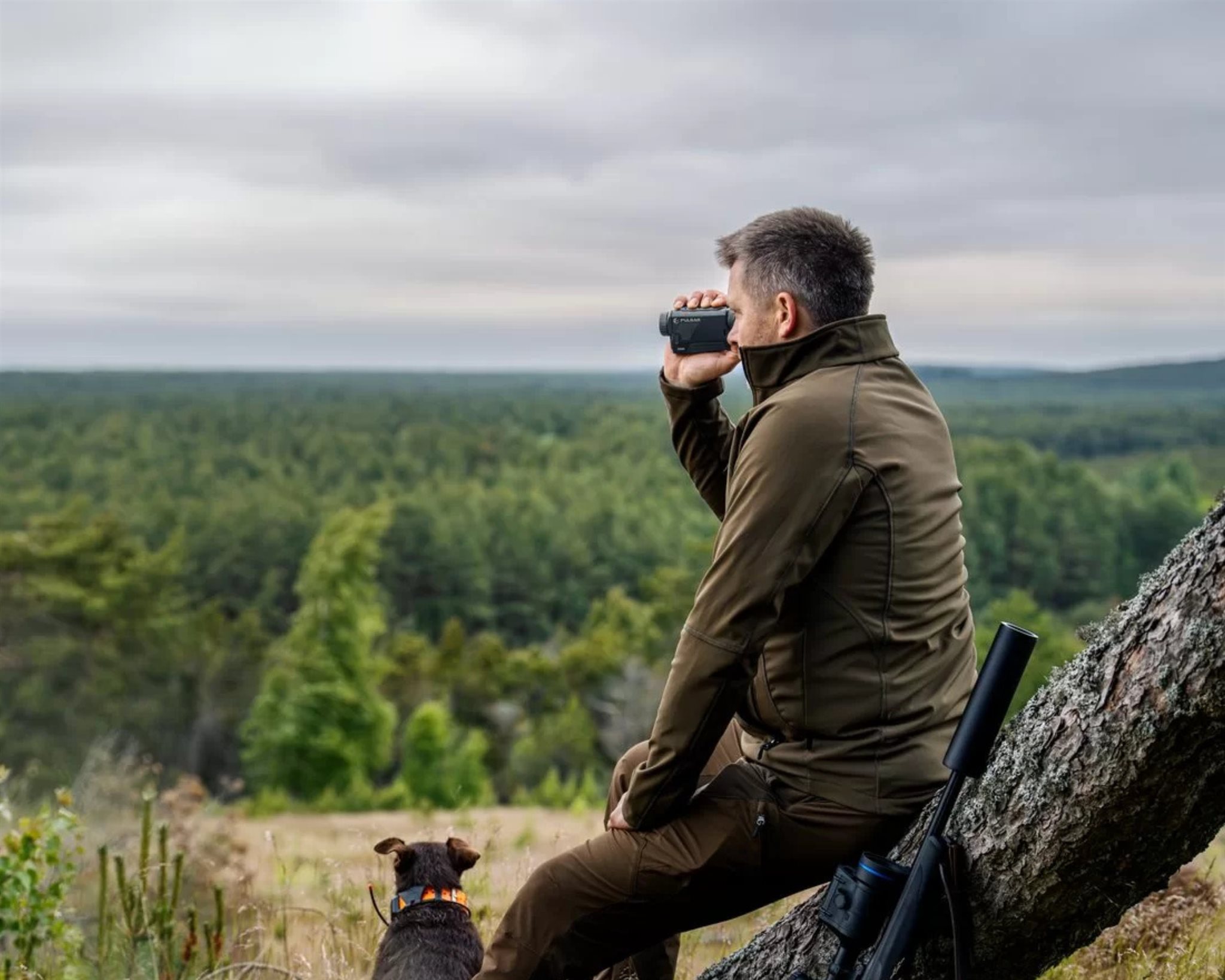
Best to start with: thermal handheld, scope or both?
We firstly recommend a handheld as they are much easier for general spotting than a scope mounted on a rifle and much lighter to hold, and safer due to not being mounted on a rifle. You could buy a handheld and if shooting at night supplement it with a spotlight/torch or night vision scope once your animals heat signature has been detected with your thermal.
If you can make it work with the budget, getting both is a pretty great setup—but if you have to choose, start with a handheld.
Higher lens and resolution on your thermal helps you see further and identify more safely
If you want to clearly identify objects at longer distances (or looking at small objects like rabbits), it's recommended to go for a thermal with bigger lens size (mm) and high resolution sensors (e.g., 640×512). This is also important for safe identification—knowing what you're looking at before taking a shot.
A rangefinder will make your thermal experience much better!
When you're looking through a digital display it can be hard to know how far away things are, which is very important for accurate shooting. If you get a thermal with a rangefinder it will drastically increase your accuracy and help you understand how far you might need to walk!
Contents
1. Key features to look out for
Essential specs explained simply - click on the '+' to readmore
Resolution: Image Clarity - for safe identification
Higher numbers mean sharper, clearer images, like HD TV versus standard definition.
Resolution determines how much detail your thermal sensor can display. Simply put, the higher the numbers, the sharper and clearer the image will appear. Common resolutions include 384×288 and 640×512, with higher-end models offering even more detail.
- Entry-level resolution – Suitable for standard hunting distances and general spotting
- Higher resolution – Sharper outlines, better long-range identification, and clearer separation between animals and background
Higher resolution becomes especially important when you need to positively identify animals at distance rather than just detecting heat. While even entry-level units perform well today, choosing the highest resolution within your budget will always improve overall clarity and confidence in the field.
Lens Size & Detection Range - Spot animals further away.
Larger lenses see further, a bigger lens spots animals at greater distances.
Lens size, measured in millimetres, directly affects how far your thermal device can detect heat signatures. A larger lens gathers more infrared energy, which allows the device to see further and capture more detail at distance.
For example, a 25mm lens may detect a pig at around 400 metres, while a 50mm lens can significantly extend that range. However, larger lenses also tend to increase size and weight, so balance is important.
The right lens size depends on your terrain. Open country typically benefits from larger lenses, while bush or shorter-range work may not require as much reach.
Refresh Rate - much nicer to look through
Higher refresh rates create smoother tracking when animals move.
Refresh rate, measured in Hertz (Hz), controls how frequently the thermal image updates on your screen. A higher refresh rate produces smoother motion and a more natural viewing experience.
Most quality thermal devices operate at 50Hz or higher, which is ideal for tracking moving animals. Lower refresh rates can appear slightly laggy, particularly when scanning quickly or following fast-moving pests.
If you regularly hunt moving targets, a higher refresh rate will noticeably improve usability and comfort.
LRF: Built-In Rangefinder - a must have
Instant distance readings without separate equipment.
A built-in Laser Rangefinder (LRF) allows you to measure the exact distance to your target at the press of a button. This eliminates the need to carry a separate handheld rangefinder.
Knowing precise distance improves shot placement and helps determine whether a shot is within an ethical range. It is particularly useful in open terrain where judging distance by eye can be difficult at night.
LRF models are available across many mid-range and premium thermal options, and for some hunters, it becomes an essential feature once used.
2. Thermal vs night vision
Understanding the key differences
The difference
Thermal detects heat signatures, not light, letting you spot animals in complete darkness, fog, rain, or thick vegetation—no external light source needed. Animals light up against cooler backgrounds regardless of conditions, making thermal the ultimate detection tool for serious hunters. Night vision amplifies existing light (moonlight, starlight, or IR illuminator) to create a detailed, natural-looking image at a lower price point. Night vision paired with a thermal handheld is great when a thermal scope isn't in the budget. However, it requires ambient light and struggles in total darkness or bad weather.
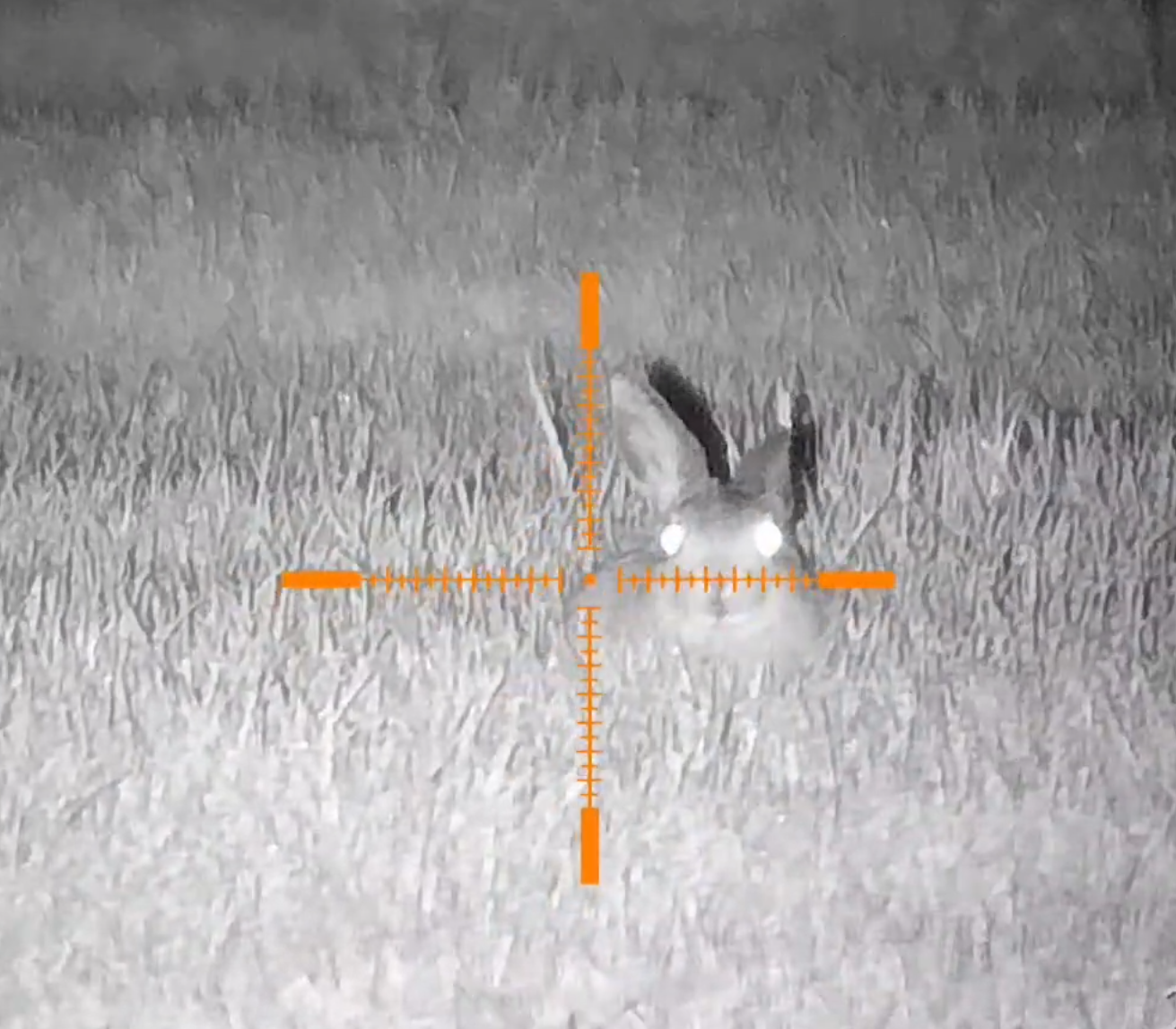
Rabbit being seen through night vision
When to choose each
Choose thermal when:
- Hunting in complete darkness or bad weather
- Working through vegetation or fog
- Need fast target detection at distance
- Want 24/7 operation (day and night)
Choose night vision when:
- Some ambient light available (moon, stars)
- Budget is primary concern
- Prefer more natural image detail
- Starting with night hunting
3. Thermal handheld/monoculars
Handheld heat detection for scanning and observation
What is a thermal monocular?
A thermal monocular is a handheld heat-detection device used for scanning and locating animals before taking a shot. It is not mounted to a rifle and is designed primarily for detection and observation. Think of it as your thermal spotter—compact, portable, and perfect for glassing large areas to find your target before committing to the stalk.
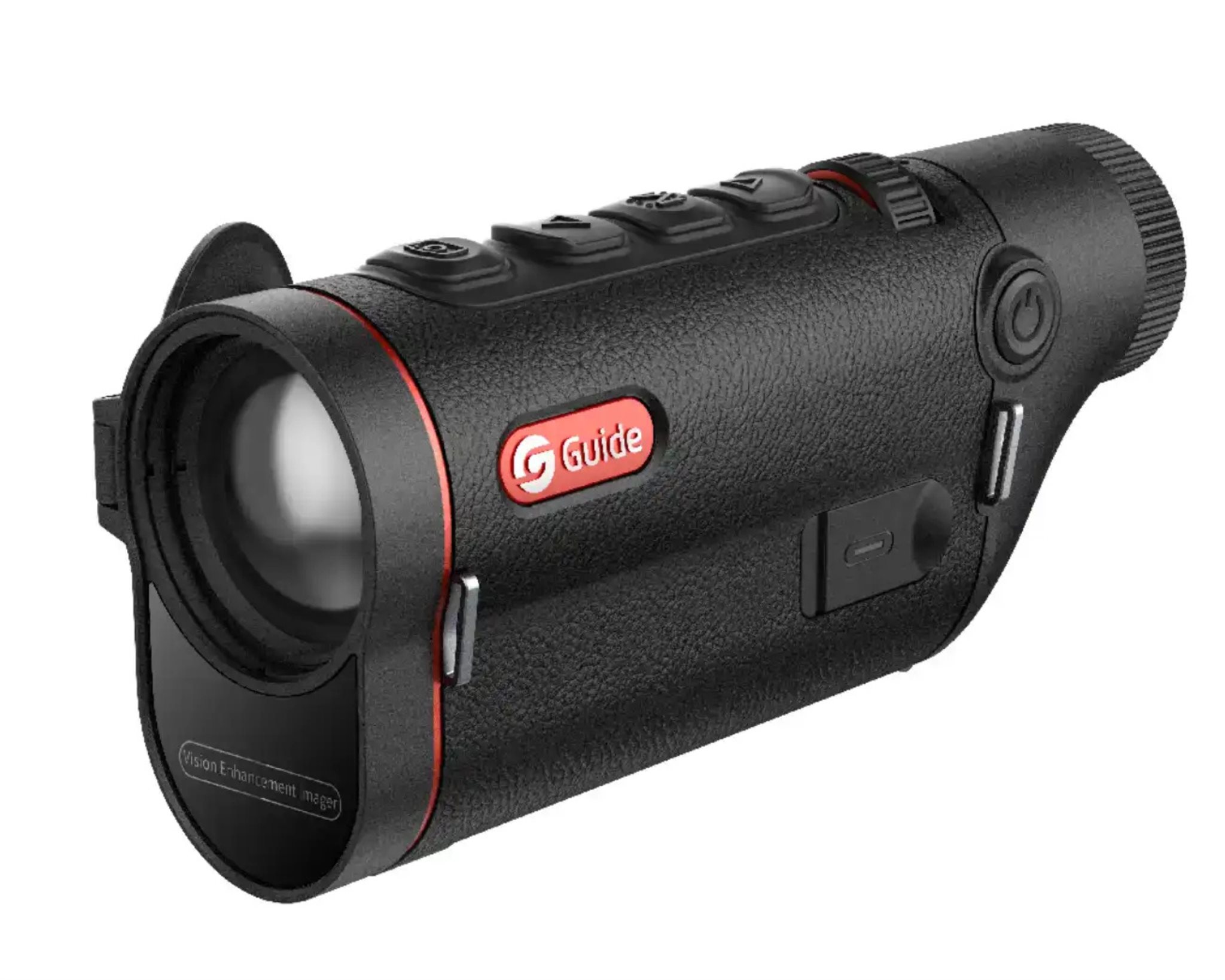
Why thermal scope owners use monoculars
Even hunters who run thermal rifle scopes often carry a monocular. Scanning with a handheld unit reduces fatigue, conserves thermal scope battery life, improves safety by not pointing a rifle to look, and is faster and easier to scan large areas. You can spot animals without constantly shouldering your rifle, instead, move quickly between targets, and maintain better situational awareness in the field.
Key features to look for in a thermal handheld
Compact Size & Portability
Pocket-sized design you can carry everywhere.
Thermal monoculars pack serious detection power into a pocket-sized design—most weigh under 300 grams and slip into your jacket. Magnesium alloy housings keep them light while protecting against shocks, drops, and rough handling. Perfect for long hunts where you need thermal without lugging heavy gear.
Wide Field of View
Scan large areas fast and lock onto targets quickly.
Wide field of view lets you quickly spot all heat signatures while keeping the entire scene in view. Glass large paddocks or bush edges efficiently—sweeping faster means you won't miss animals moving between narrow scans.
WiFi Connectivity & App Integration
Stream footage and update firmware from your phone.
Built-in WiFi connects to your smartphone for live image streaming, firmware updates, and sharing recorded files—no memory cards to fumble with in the field. Premium models offer dual-band WiFi (2.4GHz and 5GHz) for faster transmission and better connection stability.
Rangefinder
Know exactly how far that target is.
Built-in laser rangefinders measure distance up to 1 kilometer with ±1 meter accuracy. Models without LRF often include stadiametric rangefinders—quick distance estimates based on target size. Either way, you'll know if that animal is within ethical shooting range.
Battery System & Runtime
Hunt all night without running out of power.
Modern monoculars run 6-12 hours on rechargeable batteries—look for models using standard 18650 batteries you can buy anywhere, not proprietary packs. Some premium units offer hot-swappable batteries so you never power down. Cold weather kills runtime fast, so always pack spares.
4. Recommended thermal monoculars
Handheld heat detection for scanning and observation
Good - Entry Level
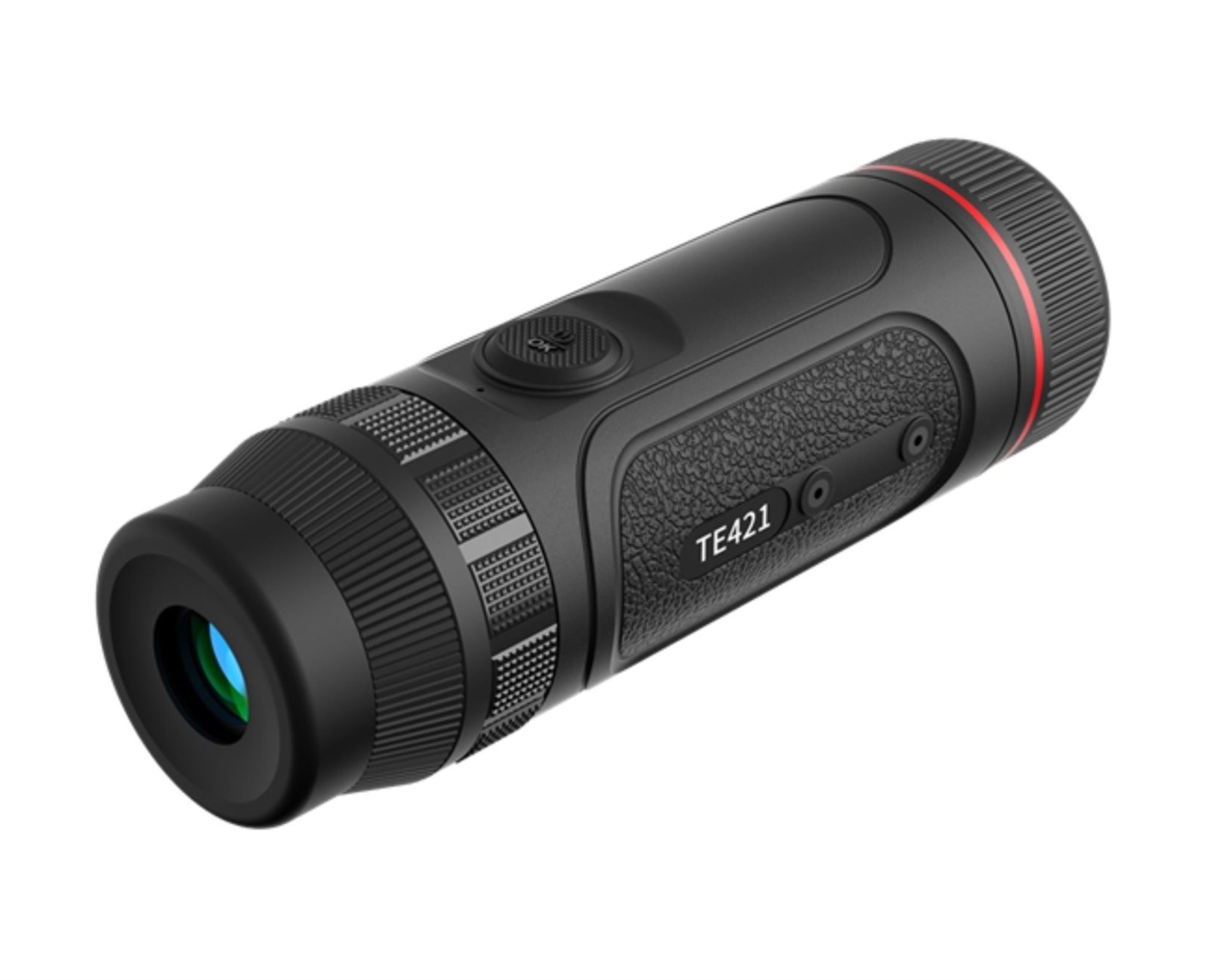
A great introduction to thermal spotting. Entry-level monoculars provide reliable heat detection and clear imaging for short to mid-range scanning, farm use, and pest control—compact, simple, and affordable.
Better - Mid Range
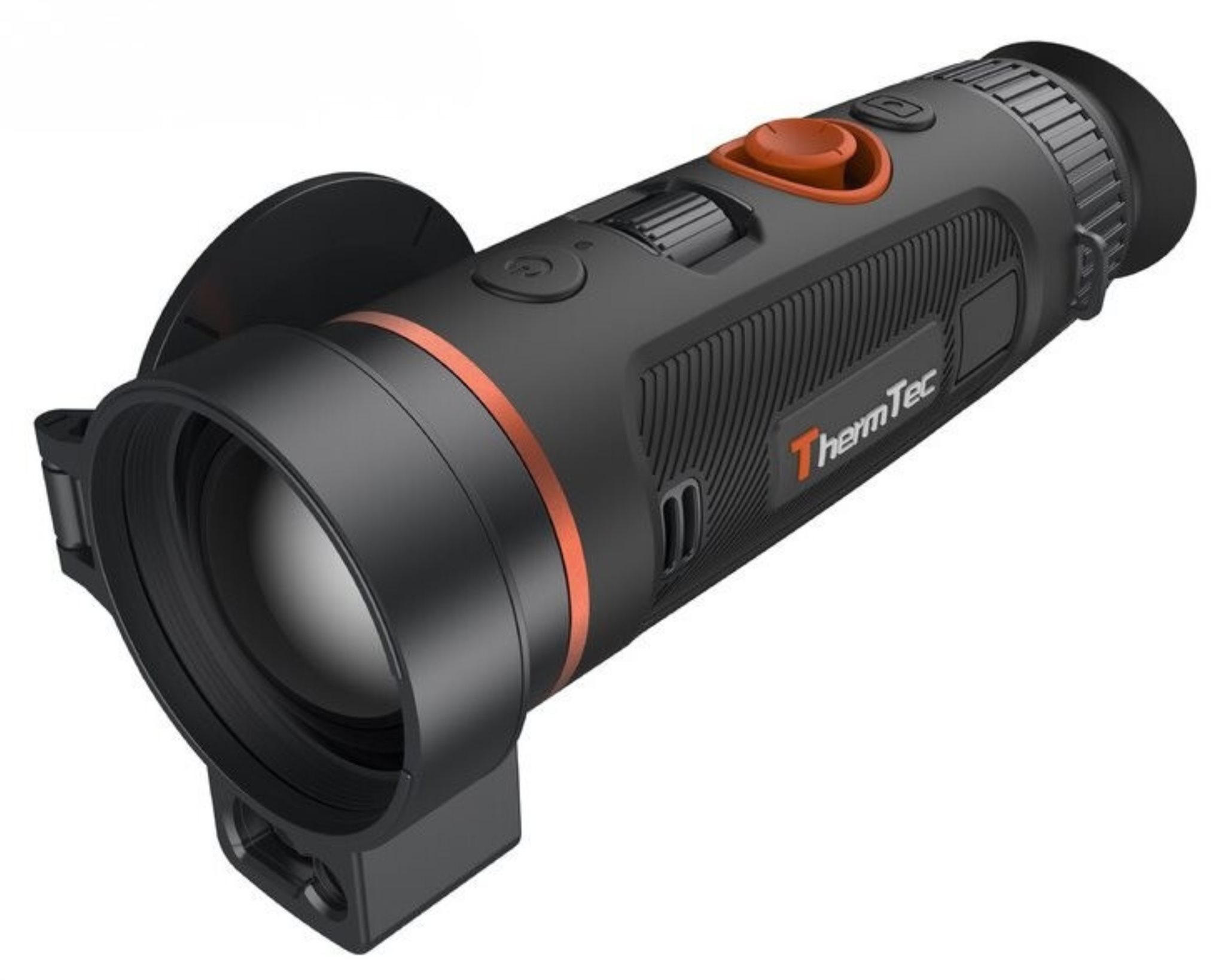
Sharper image detail and improved detection range, often with recording, WiFi connectivity, and stronger battery performance. Ideal for regular hunters and landowners wanting clearer identification and better overall capability.
Best - Premium Performance
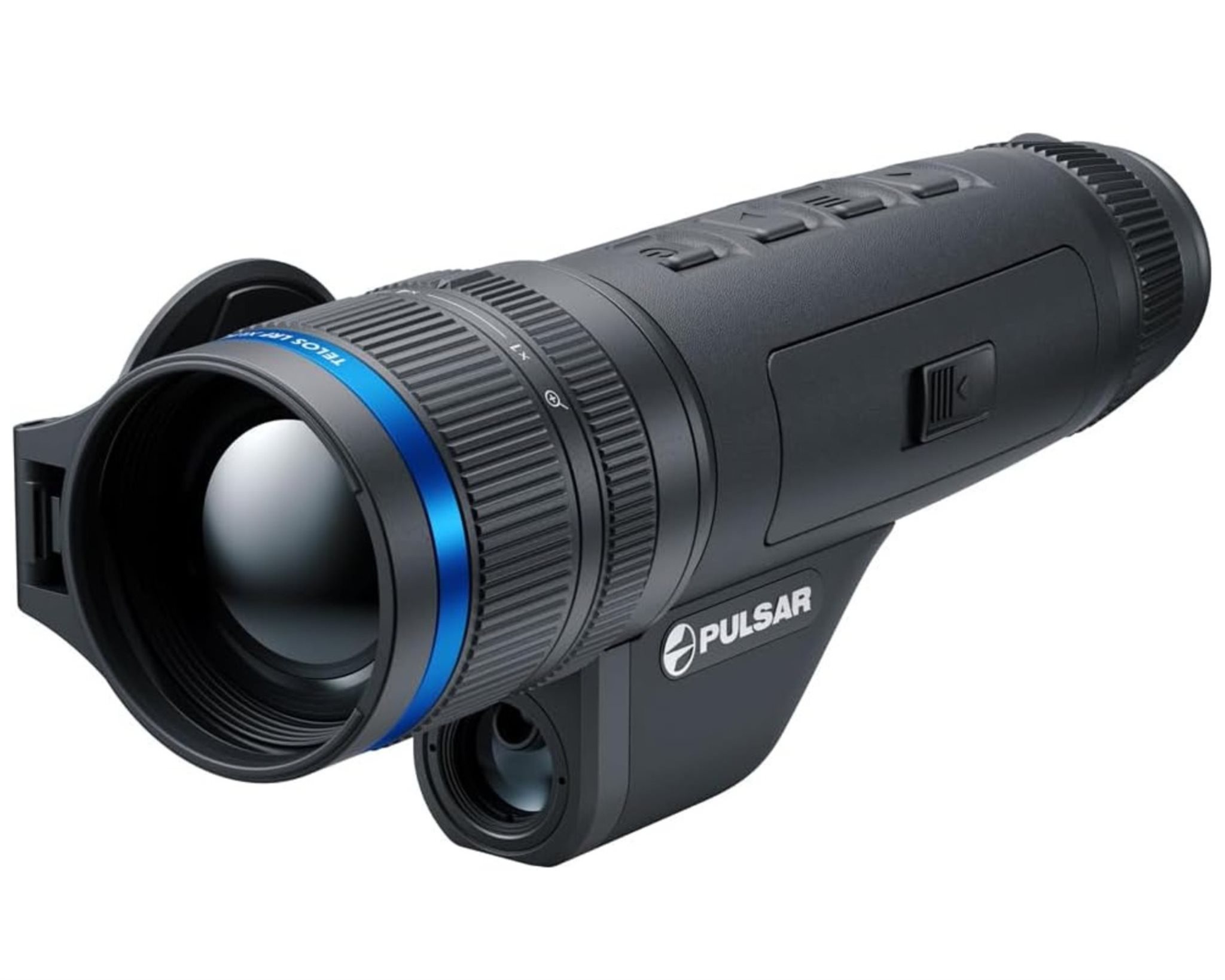
High-resolution thermal sensors, extended detection range, and advanced features such as integrated LRF and enhanced recording. Built for serious hunters and professional users who demand maximum clarity and performance.
5. Thermal rifle scopes
Mount to your rifle for precision thermal shooting
What is a thermal scope?
A thermal rifle scope replaces your traditional optic and allows you to aim and shoot using heat detection rather than visible light. Mount it directly to your rifle and identify targets in complete darkness, fog, or any conditions where conventional scopes fail. The ultimate tool for hunting for shooting hard to see animals.
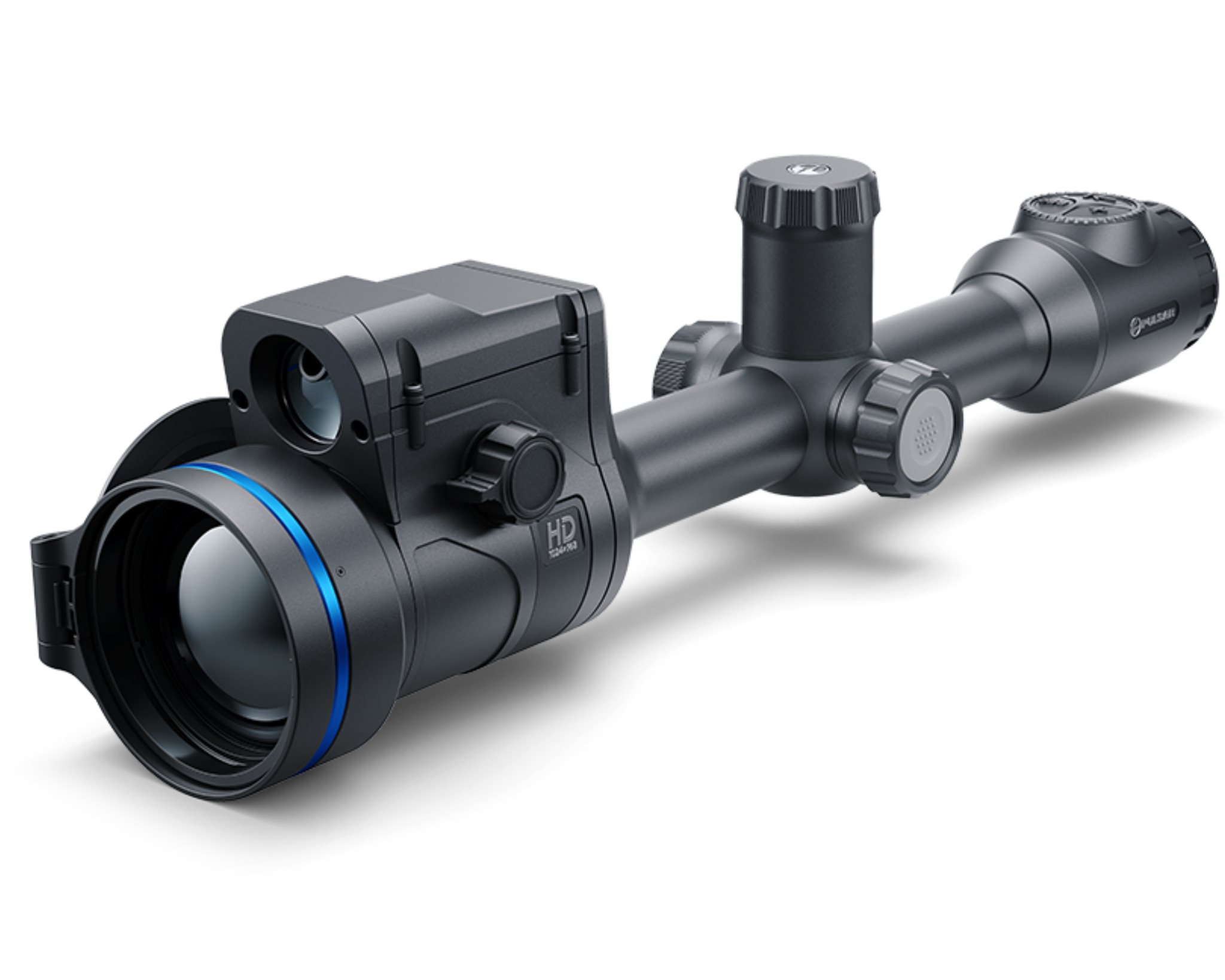
Important Features
Multiple Zeroing Profiles
Switch between rifles without re-zeroing every time.
Store multiple zeroing profiles in internal memory for quick rifle changes. Different profiles work for different rifles or ammunition types—switch without re-zeroing each time. Game-changing if you run one thermal across multiple firearms.
Recording & WiFi Connectivity
Capture your hunts and share footage wirelessly.
Onboard recording stores hours of video or thousands of photos in internal memory—some models even capture audio. WiFi connects to your phone for wireless firmware updates, real-time streaming, and cloud storage. Review your shots to improve technique or share that perfect stalk on social media.
Ballistic Calculator & Laser Rangefinder (LRF)
Know the distance and get automatic holdover points.
Built-in laser rangefinders measure distance instantly. Premium models integrate LRF with ballistic calculators—connect to your phone app, input bullet and weather data, and the scope automatically displays your holdover point. Makes long-range ethical shots significantly easier.
Variable Magnification
Scan wide, then zoom in for the shot.
Digital zoom lets you scan with a wide field of view, then zoom in for precise targeting. Some scopes offer smooth continuous zoom, others step zoom—both work great. Higher base magnification generally means better image quality but reduces your field of view for initial detection.
Mounting System
Standard scope rings—no special tools needed.
Thermal scopes mount to standard scope rings—no specialized tools required. Some models feature quick-release mounts that lock with a single lever for easy, secure mounting. Eye relief is more forgiving than traditional scopes since you're viewing a digital display. Use quality mounts—cheap rings shift zero under recoil.
6. Recommended thermal rifle scopes
Good - Entry Level
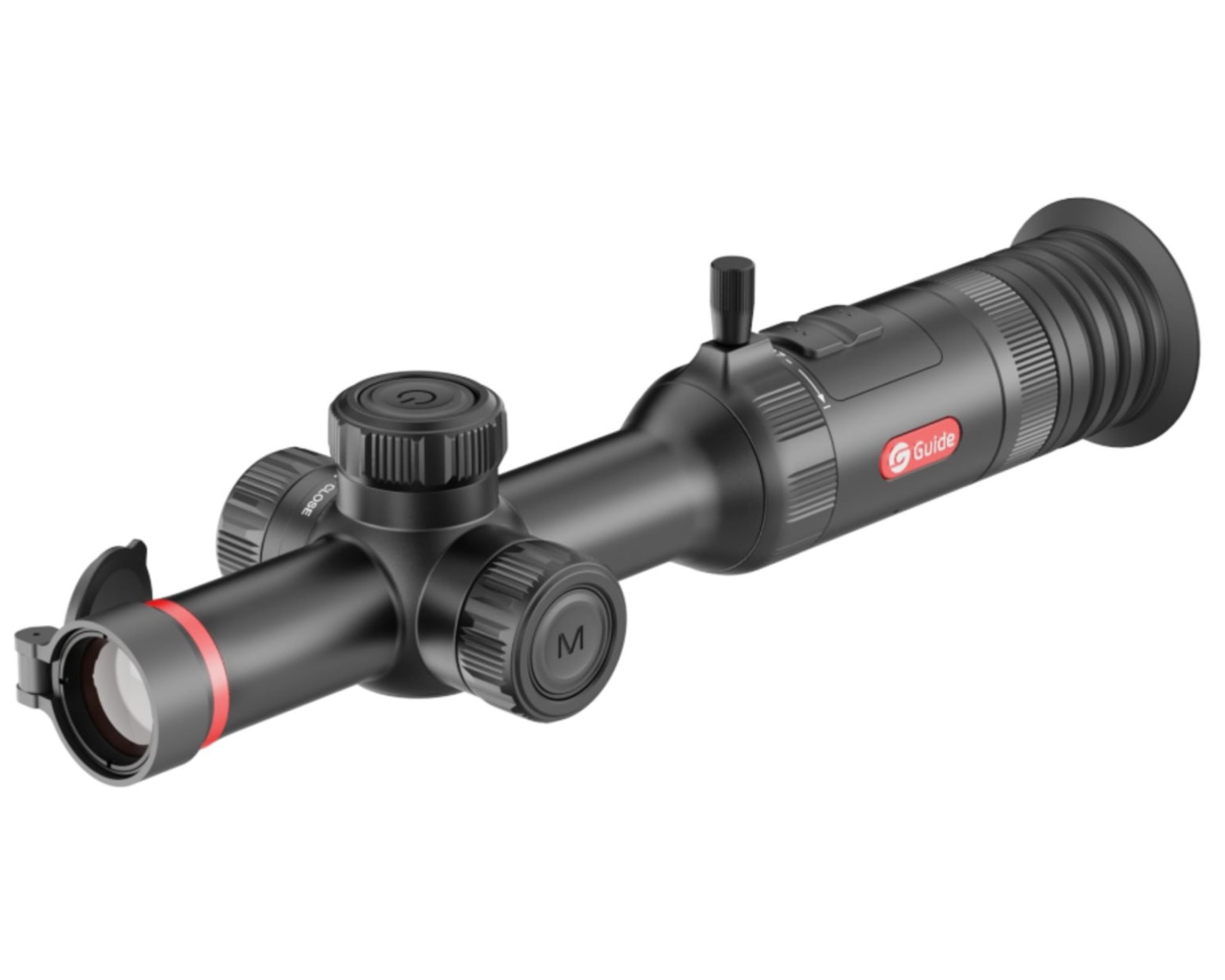
A solid starting point for night shooting. Entry-level thermal rifle scopes offer dependable detection and clear imaging for close to mid-range pest control and hunting, without the premium price tag.
Better - Mid Range
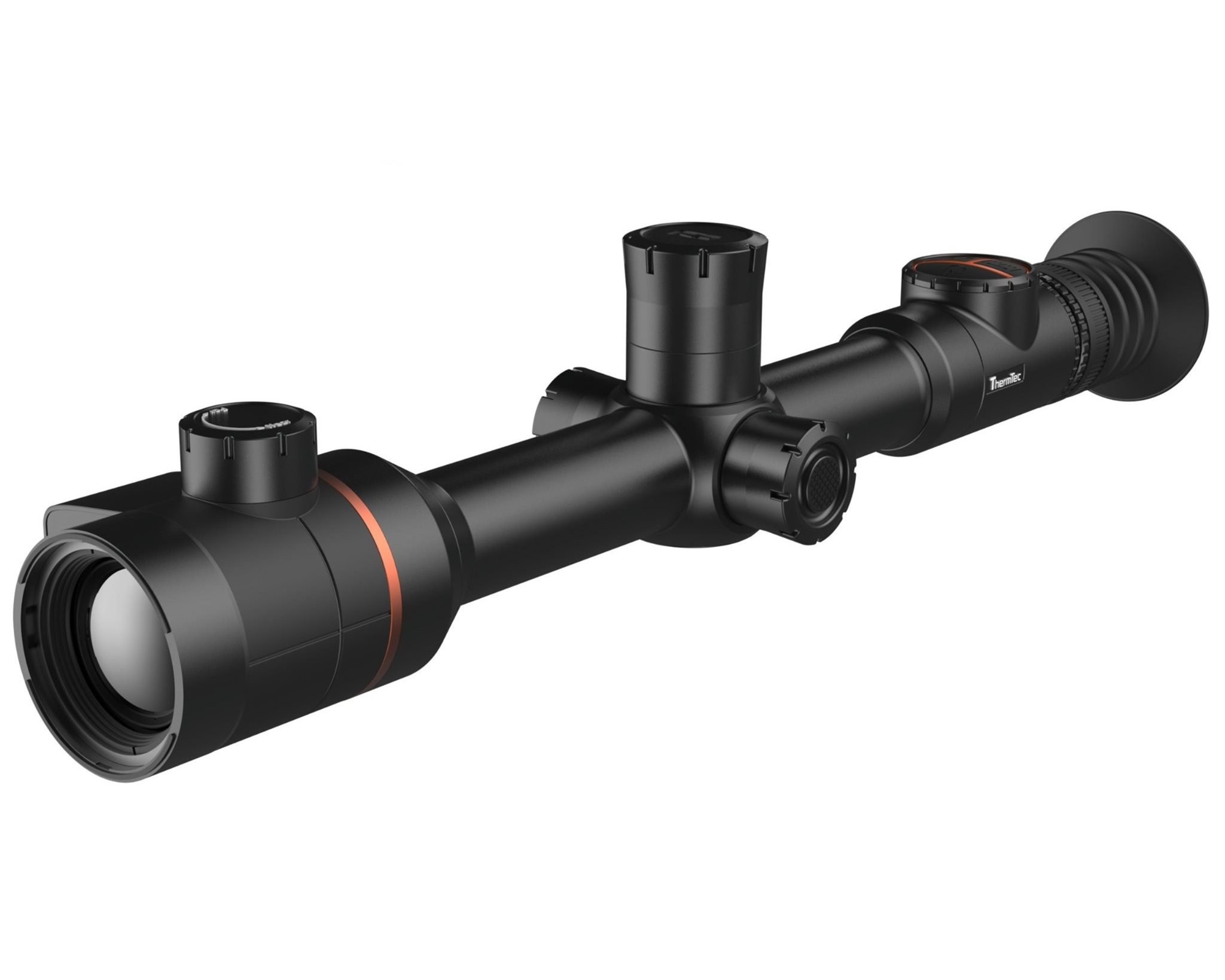
Improved image clarity, stronger detection range, and added features like video recording, multiple zeroing profiles, and optional LRF models. Ideal for regular hunters wanting greater confidence and performance in the field.
Best - Premium Performance
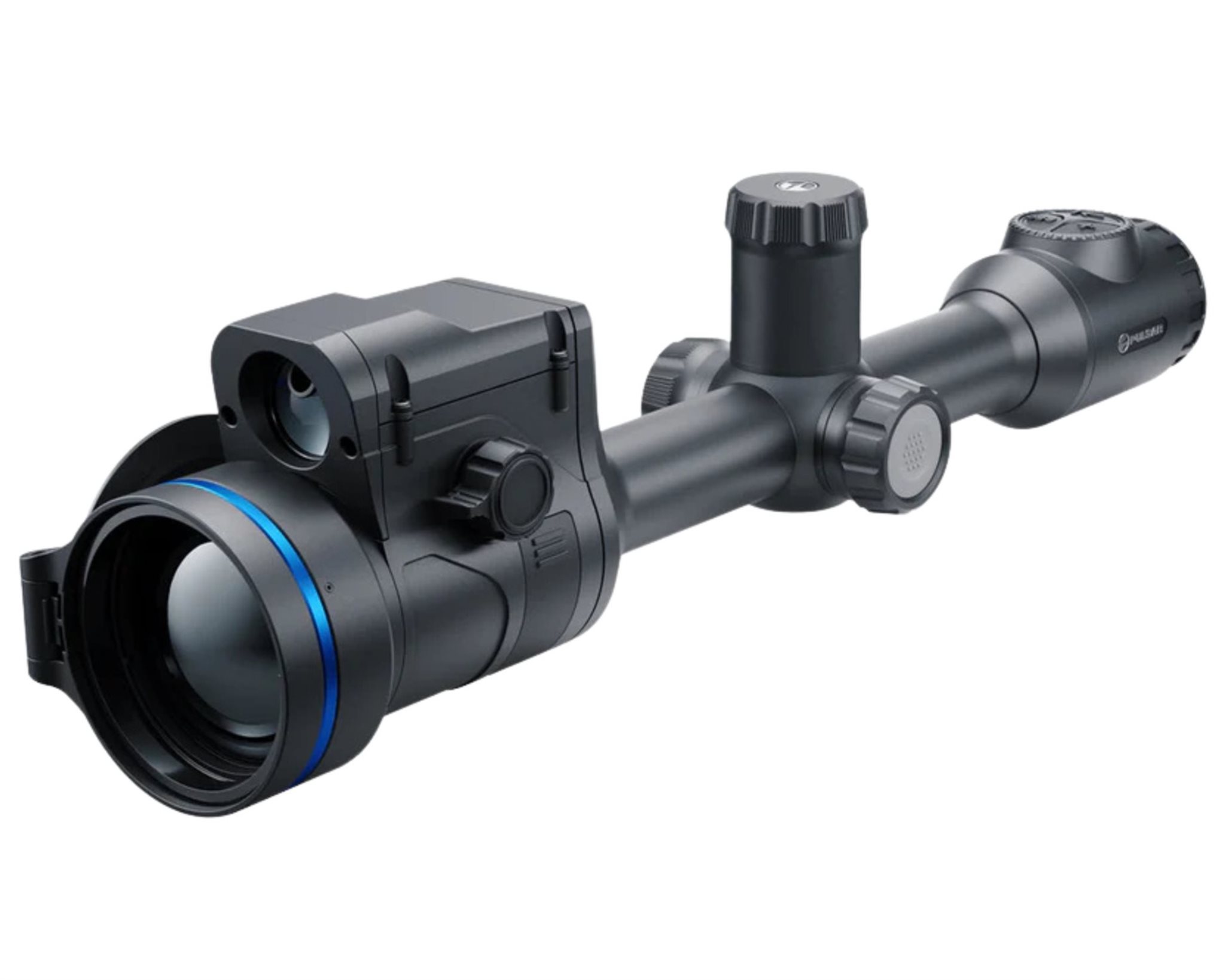
High-resolution thermal sensors, long-range detection, and advanced features including integrated LRF, enhanced zoom clarity, recording, and rugged construction. Built for serious night hunters who demand maximum performance.
7. Watch our thermal rundown
A couple of years old but still worth the watch
8. Thermal clip-ons
A flexible option for specific setups
What is a thermal clip-on?
A thermal clip-on mounts in front of your existing daytime scope, converting it into a thermal system without replacing your optic. This lets you keep your familiar setup while adding night capability.
Clip-ons work best paired with quality daytime glass and suit experienced hunters who want to transition between day and night without swapping scopes.
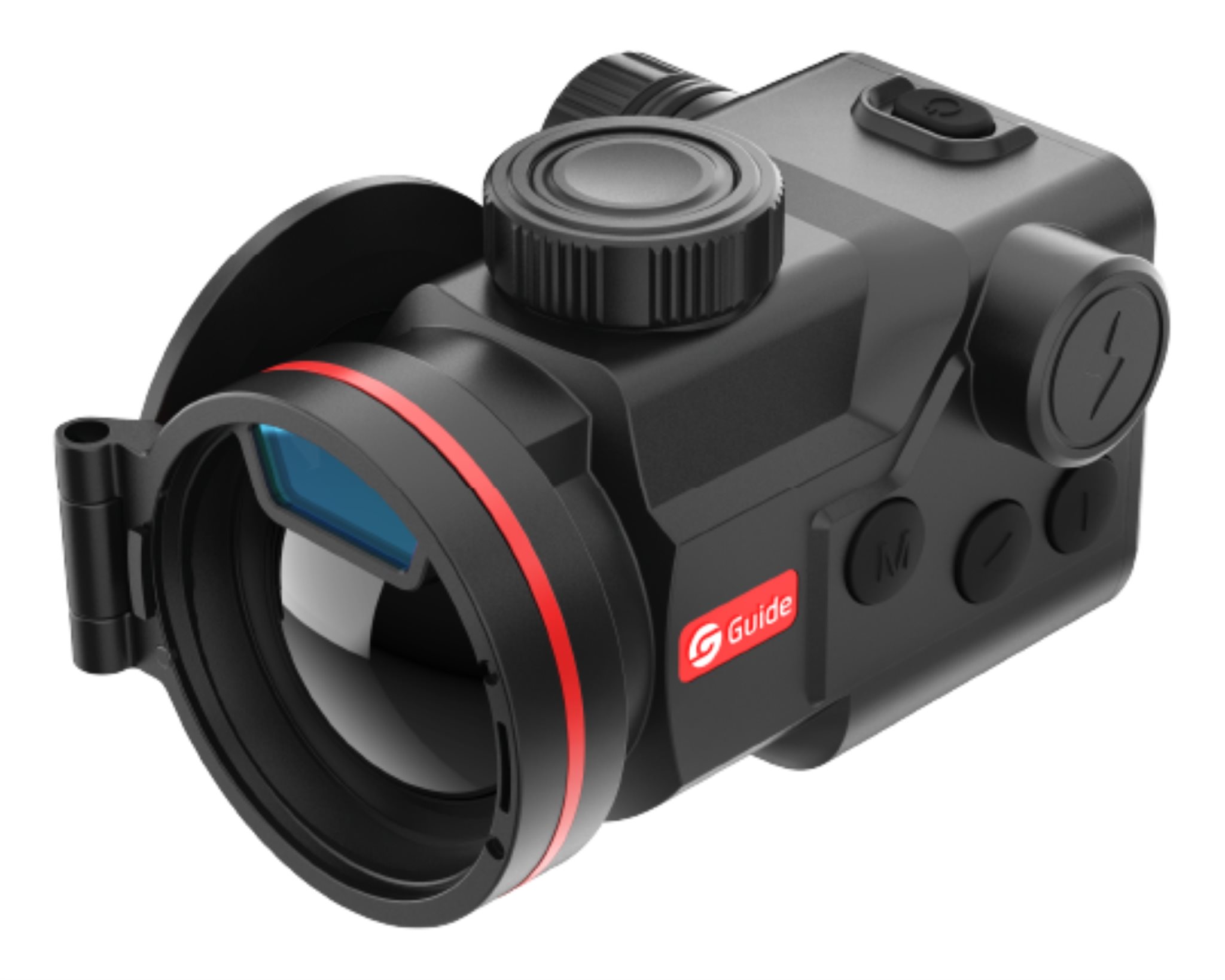
Clip-ons suit experienced hunters who already own premium optics and want the ability to transition between day and night without swapping scopes. They are particularly useful for those running one rifle setup year-round.
For most first-time thermal buyers, a dedicated thermal scope or monocular is usually the simpler starting point. But for the right setup, clip-ons provide a versatile and high-performance solution.
9. Thermal binoculars
Dual-eye comfort for extended observation
What are thermal binoculars?
Your brain loves using both eyes—it's how we're wired. Thermal binoculars let you do just that, cutting down on eye fatigue during those long glassing sessions when you're trying to spot that elusive boar. The dual eyepiece setup gives everything a more natural, depth-filled look compared to squinting through a single tube. Plus, you can adjust the spacing between the eyepieces to match your face perfectly, so no more weird double-vision or headaches. Whether you're scanning fields all night or keeping tabs on your property, your eyes will thank you for going binocular.
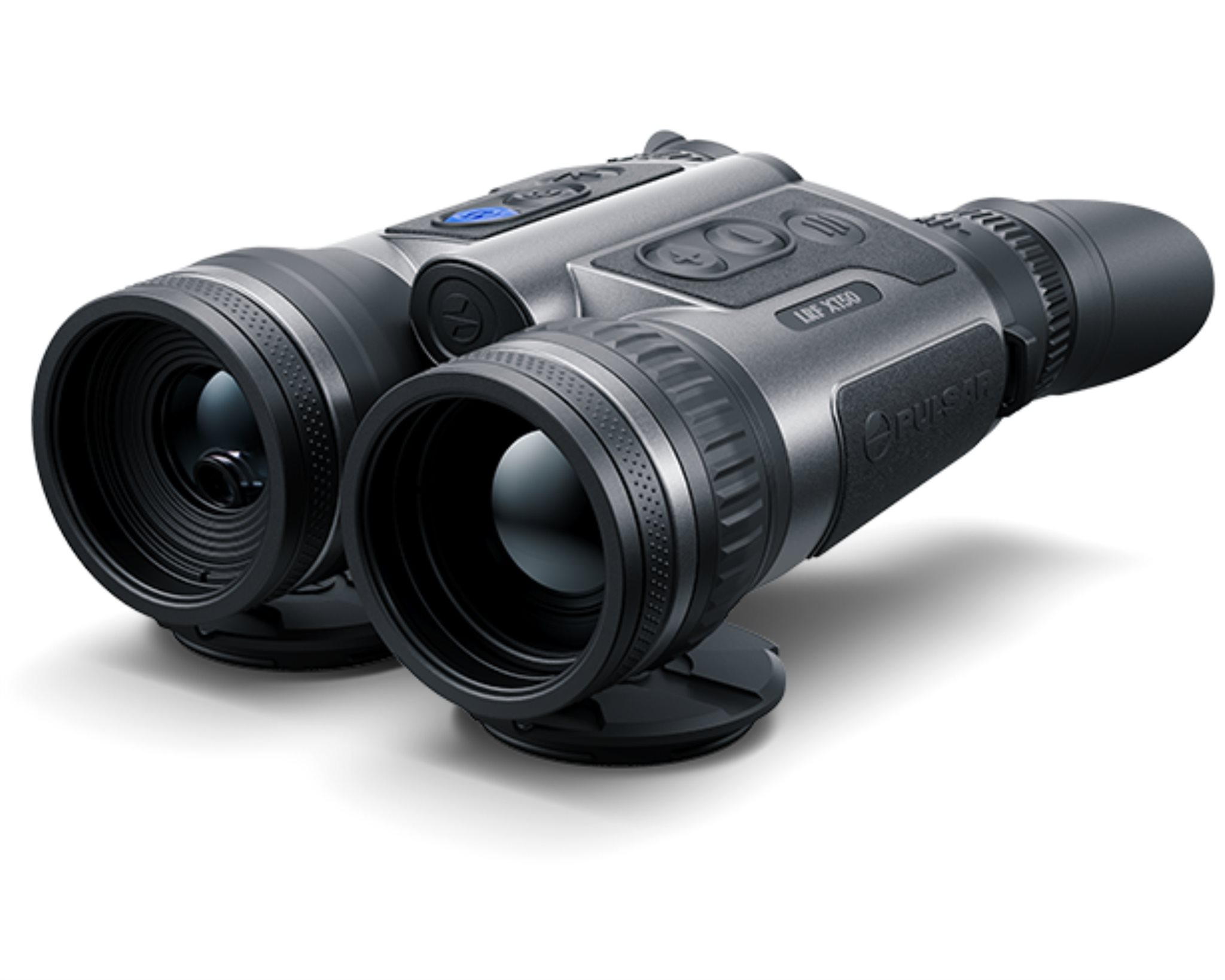
Best for: Long glassing sessions, property surveillance, professional pest control operations, and any application where dual-eye comfort during extended use provides a significant advantage over handheld monoculars.
10. How to buy your thermal
Option A: Head into your local Gun City
or
Option B: Buy online and have them delivered your door
If you need more info or want to test them out hands on, we highly suggest to head into you local Gun City.
We have a experienced team that can help to guide you further in getting the best fit for you.
11. Accessories & power solutions
Essential gear to support your thermal device
Battery Options
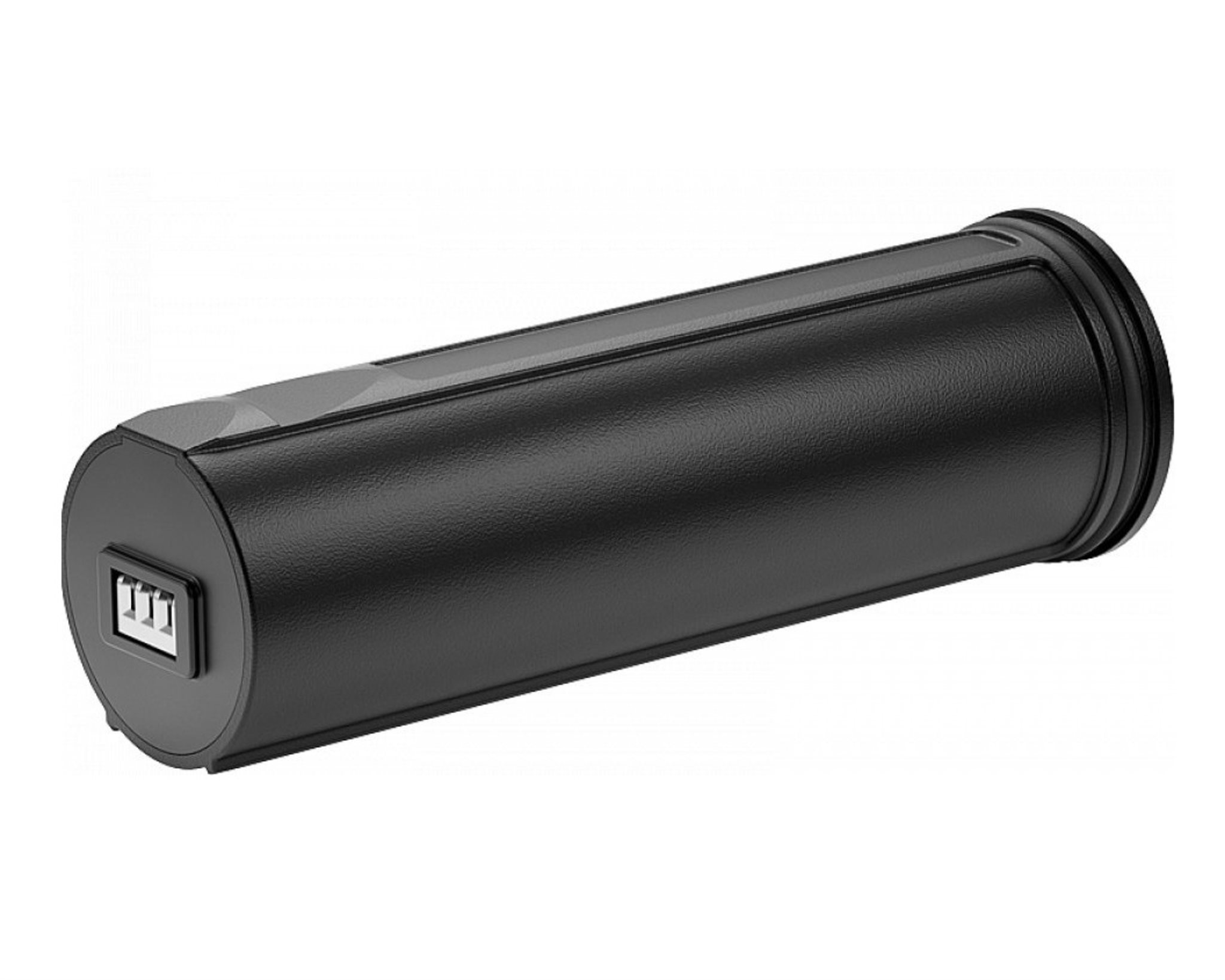
Spare Batteries
Essential for extended hunts
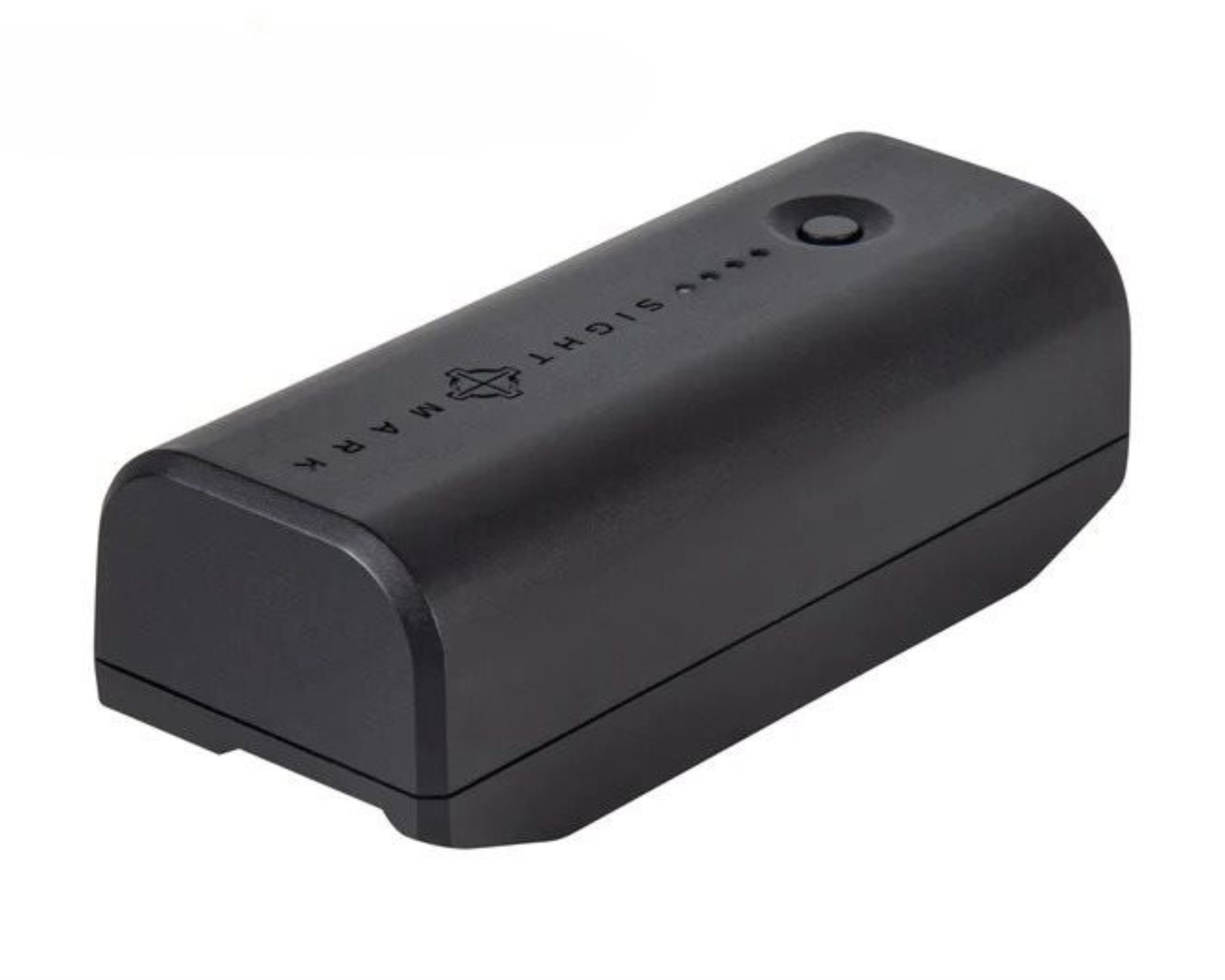
External Battery Packs
Marathon session power
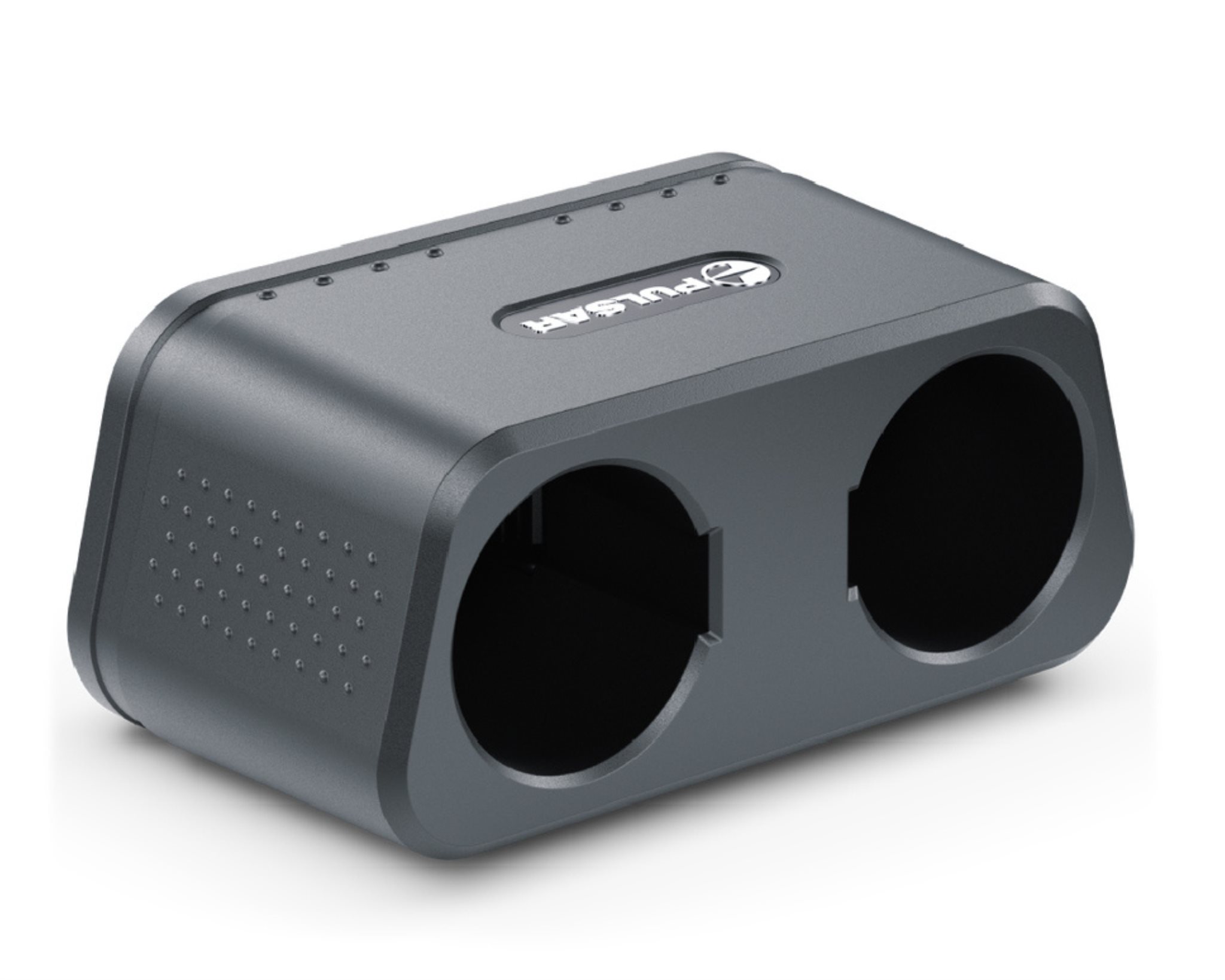
Charging Solutions
Field charging capabilities
Mounting & Support
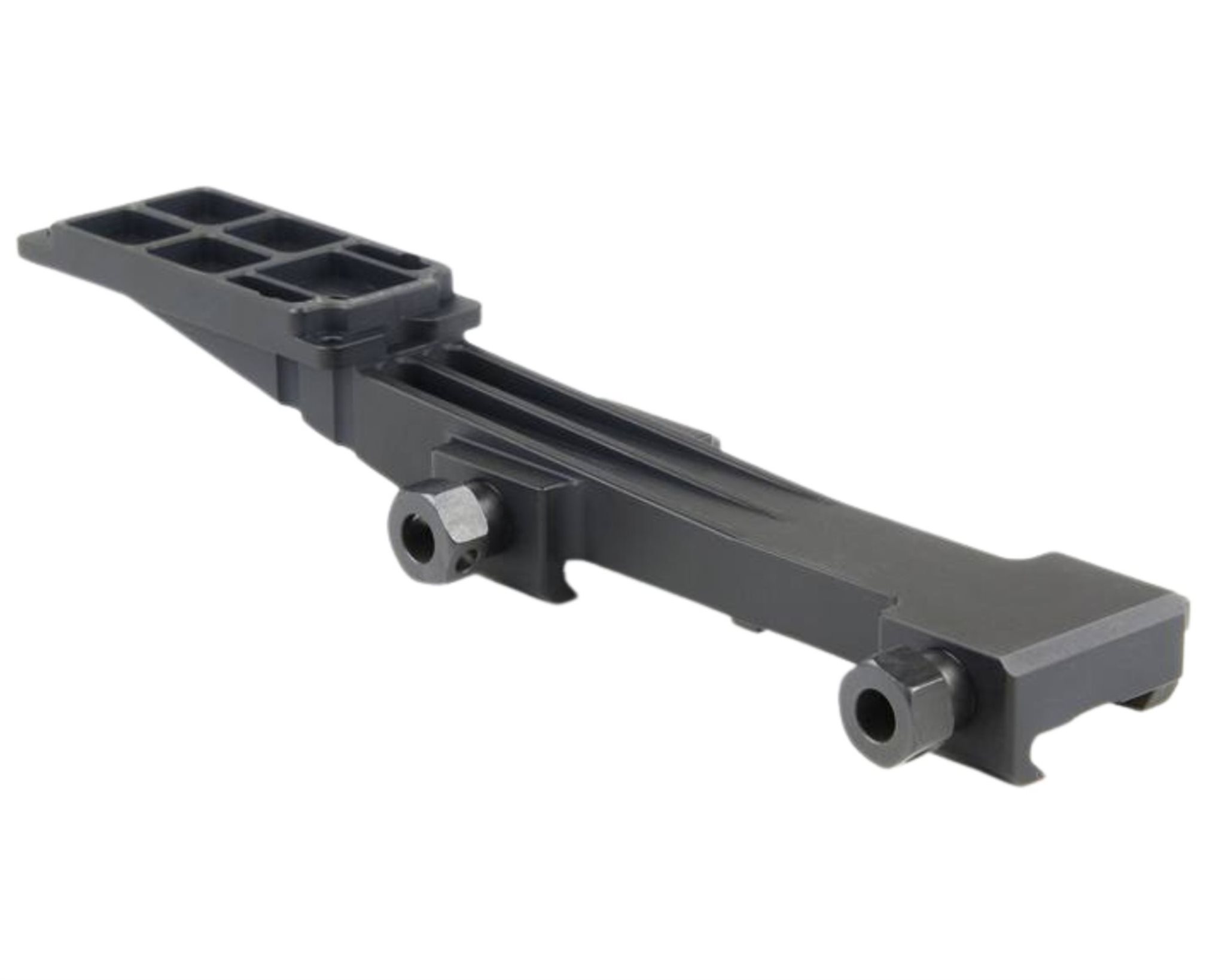
Quality Mounts
Secure scope attachment
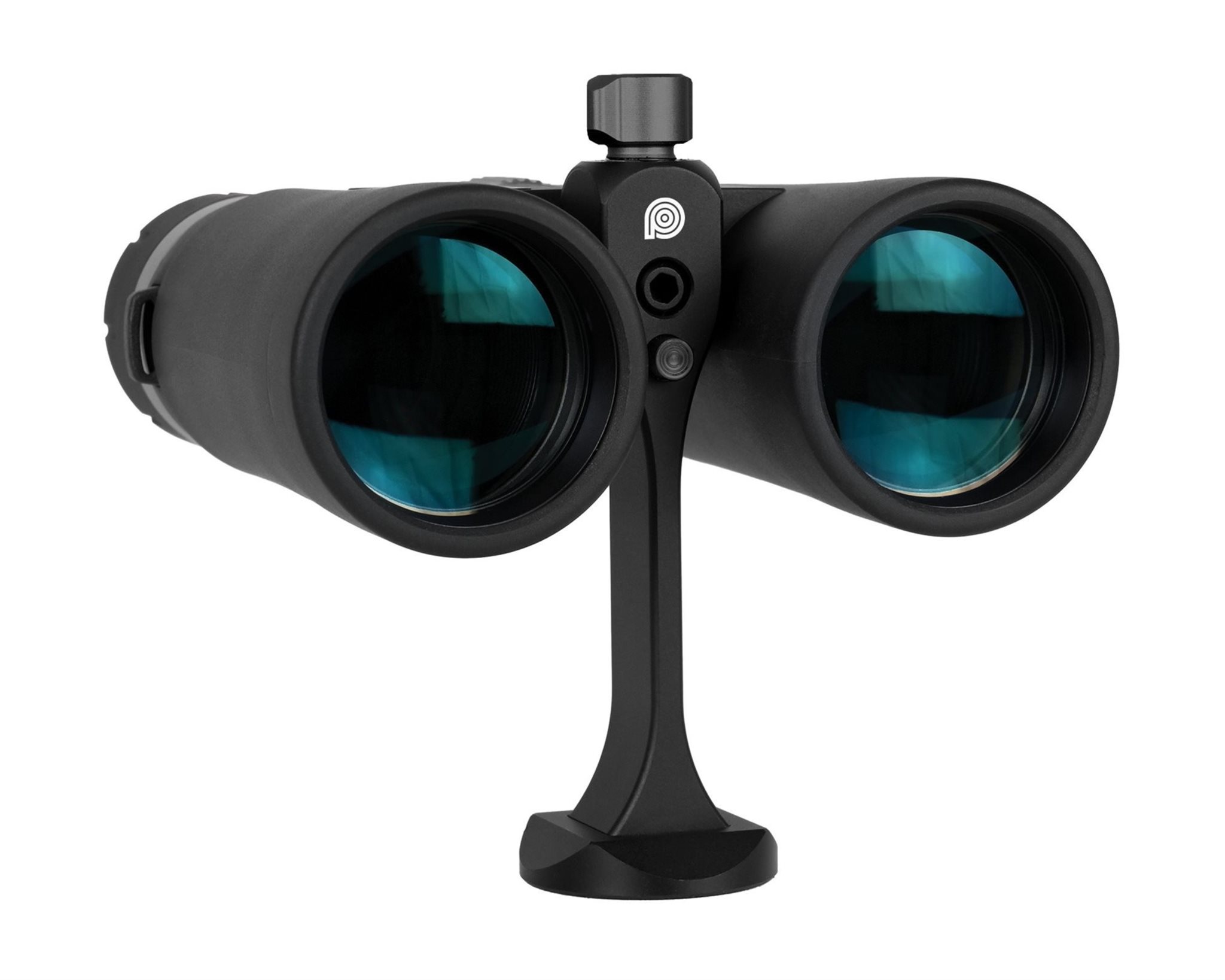
Tripods
Stable glassing platform
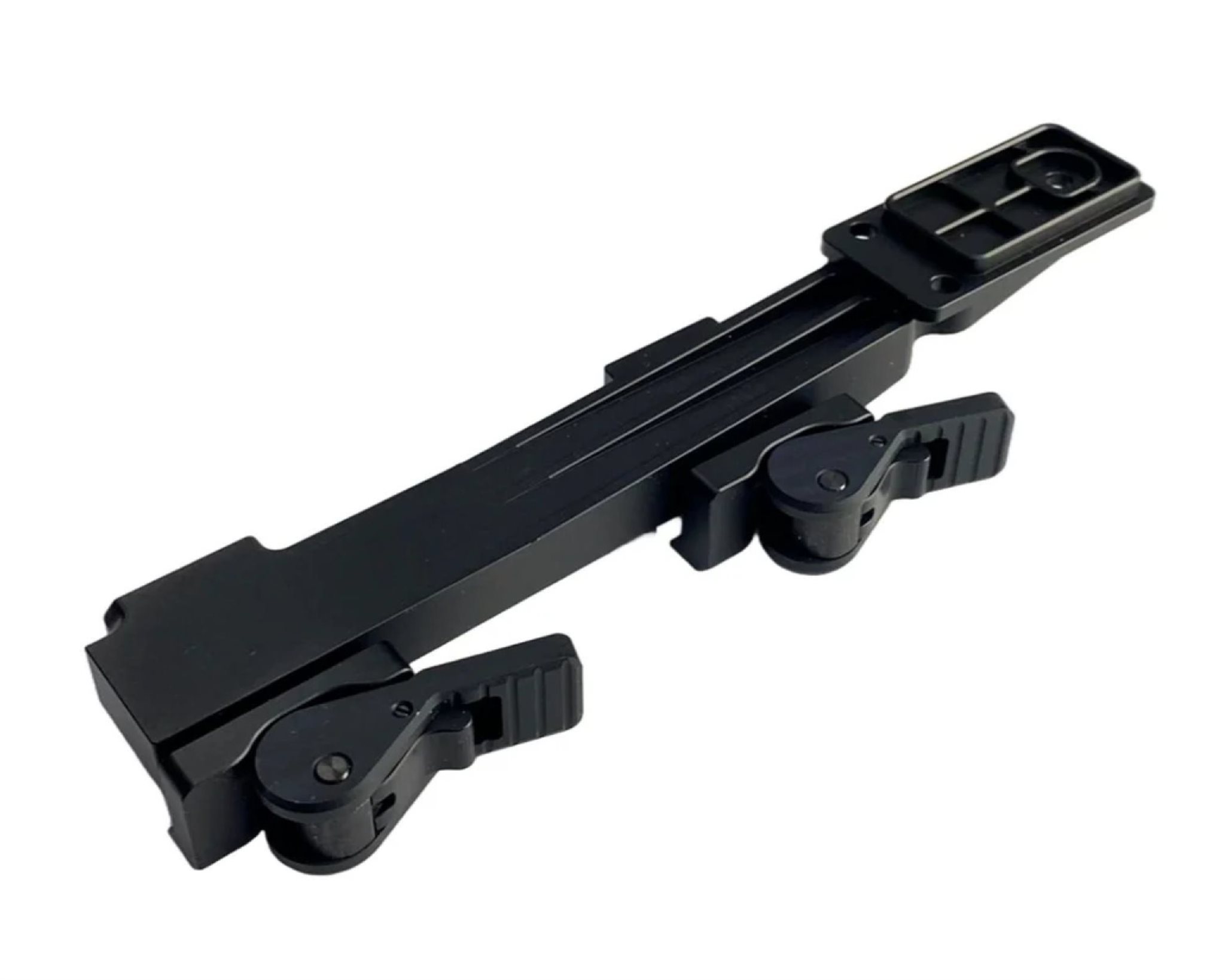
Quick-Detach
Fast mounting systems
11. Frequently asked questions
Can thermals see through bush?
Thermal devices detect heat but cannot see through solid objects. Light vegetation may partially obscure heat signatures, but thermal still performs far better than traditional optics in these conditions.
Can you use thermal during the day?
Yes. Thermal imagers are passive systems which work well in both the daytime and pitch-black nighttime conditions. However, extreme heat conditions (hot summer days) can reduce contrast between animals and their surroundings.
Is higher resolution worth it?
Higher resolution provides sharper image detail and improved long-range identification. It is worth the upgrade if you hunt at longer distances or want maximum clarity for positive target identification. As technology improves, even entry-level resolutions become more capable.
Do I need LRF (laser rangefinder)?
Not essential, but very helpful for accurate shot placement and target assessment. More important for longer-range shooting where distance estimation becomes critical for ethical kills.
What's better - monocular or scope?
Depends on use; monocular for scanning and detection, scope for shooting. Many serious hunters use both - monocular to locate targets, scope for the shot.
How long do batteries last?
Varies by model and usage, but expect several hours of continuous operation on average. Always carry spare batteries for extended hunts. Cold weather reduces battery life significantly.
Why does my thermal need calibration?
Calibration levels the background temperature of the microbolometer and eliminates image flaws such as vertical stripes and ghost images. Modern thermals calibrate automatically, and intervals between calibrations decrease the longer a device operates continuously.
Can I use my thermal scope on high-recoil rifles?
Quality thermal scopes feature substantial shock resistance for larger calibers. Always verify your scope's recoil rating matches or exceeds your rifle's calibre to avoid damage to sensitive thermal sensors.
What's the difference between detection and identification range?
Detection range is how far you can see a heat signature exists. Identification range is how far you can tell what that signature actually is. You might detect an animal at twice the distance you can positively identify it—this matters for ethical hunting and target confirmation.
Will thermal work in fog, rain, or smoke?
Yes. Bad weather conditions such as fog or rain do not create obstacles for thermal imagers—these conditions would make ordinary night vision units completely useless. Thermal cuts through conditions that blind traditional optics.
Can I record footage with my thermal device?
Most modern thermal scopes and monoculars include onboard recording capabilities for both photos and video. WiFi connectivity allows wireless software updates, real-time image transmission, and cloud storage for photos and videos.
Why does digital zoom reduce image quality?
When using digital zoom, the image is cropped so resolution becomes lower and the image will look not as clear as when using base magnification. This is normal for all digital zoom systems—not a defect.
For any questions you still have, call or drop by and visit a Gun City store close to you.

Note: This information is correct as of March 2026.